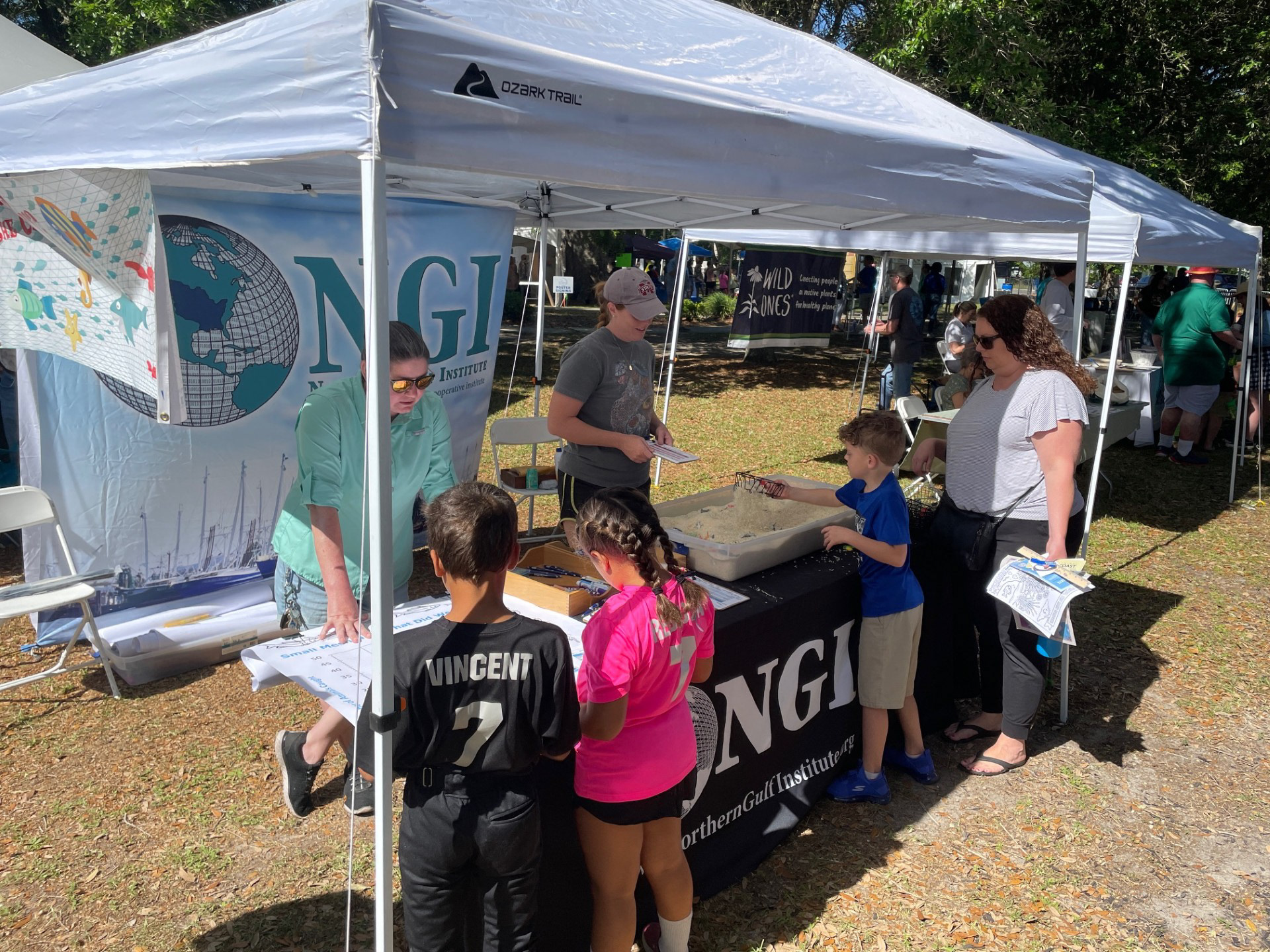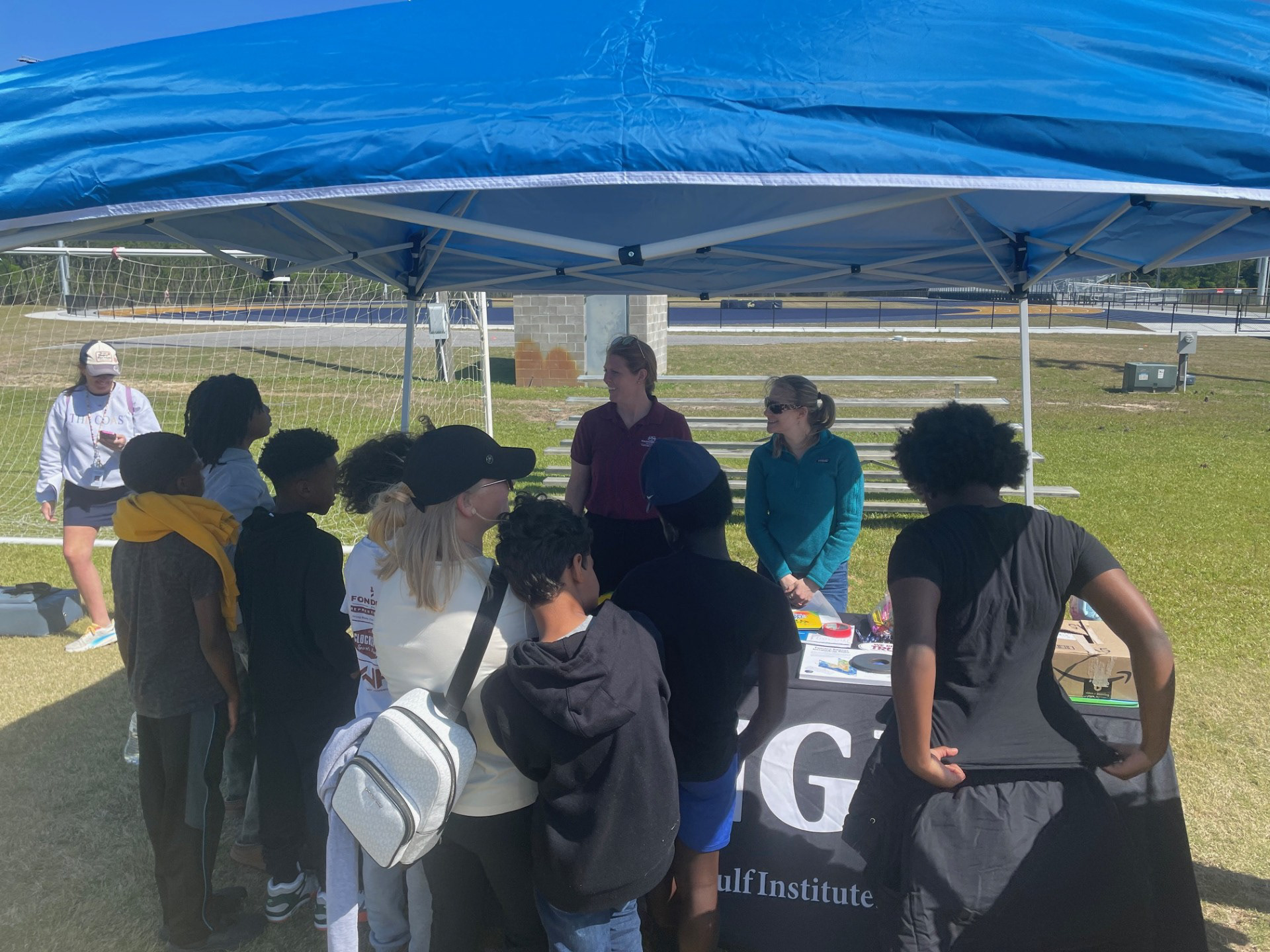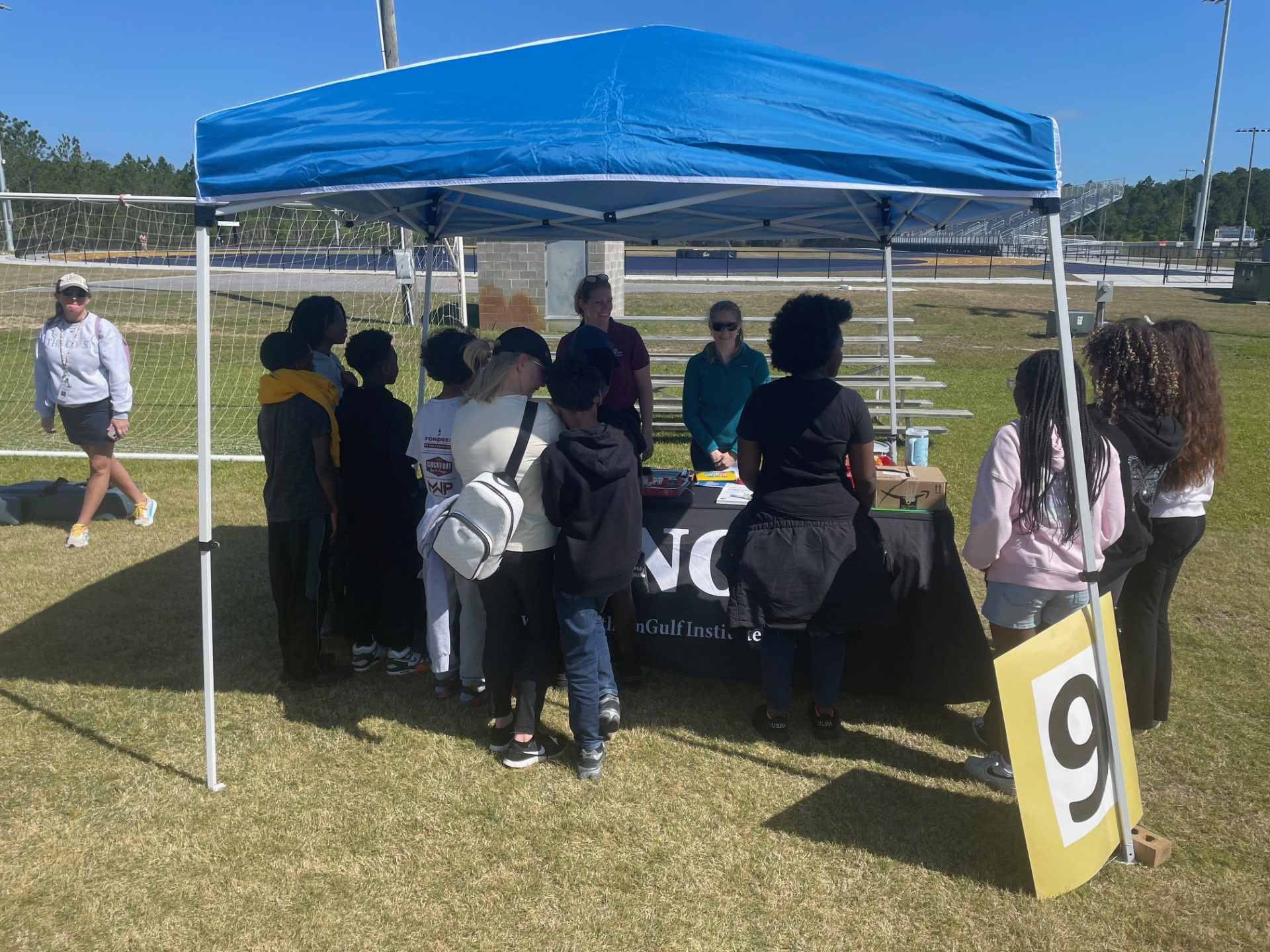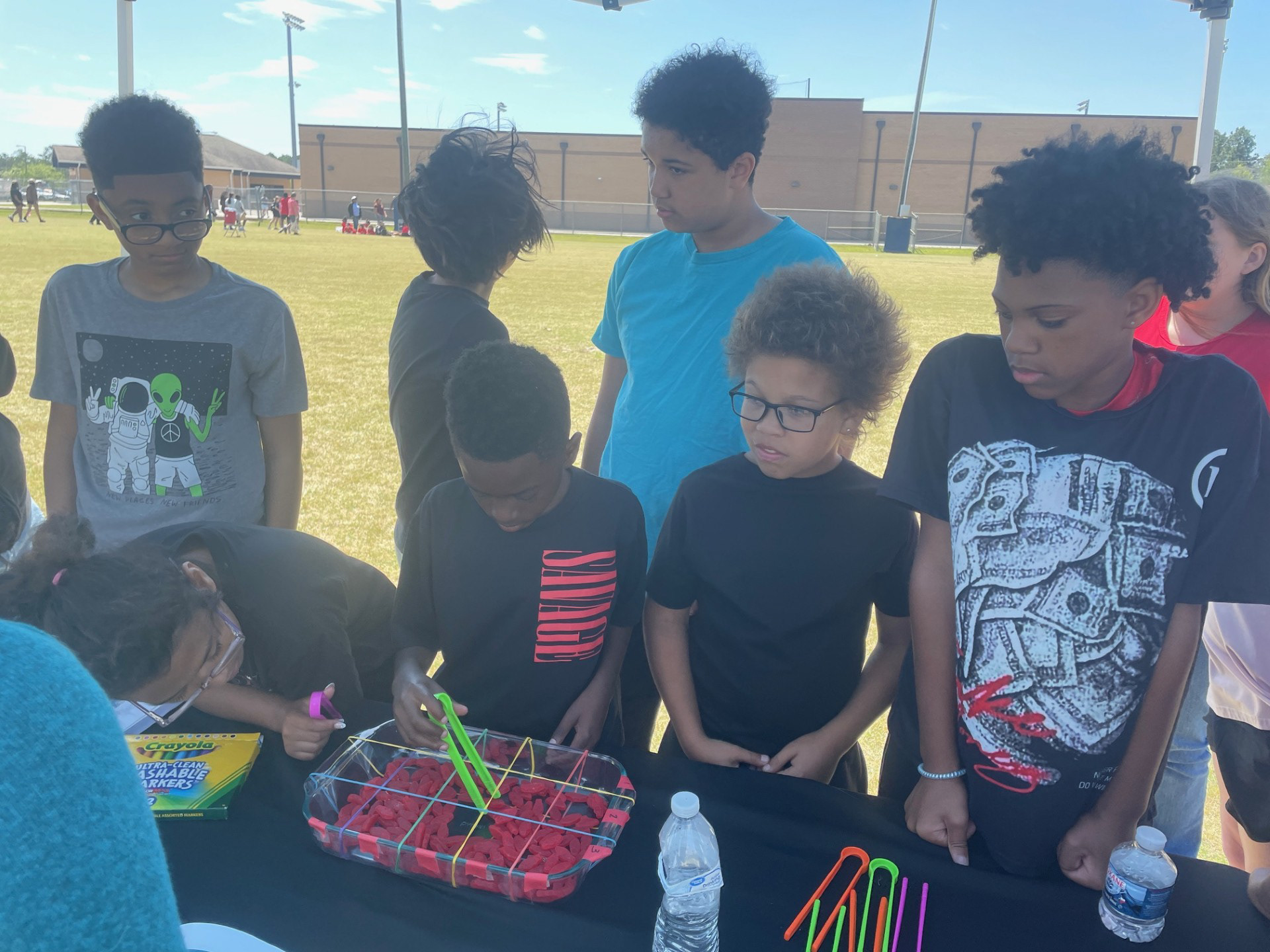
The NGI took part in two impactful science outreach initiatives along the Mississippi Gulf Coast: the “My Two Boots” Science Festival at Gautier High School and the Celebrate the Gulf Marine Science Festival held in Pass Christian. Both events exemplify effective, place-based STEM education through immersive, experiential learning environments that connect students and communities to coastal science.
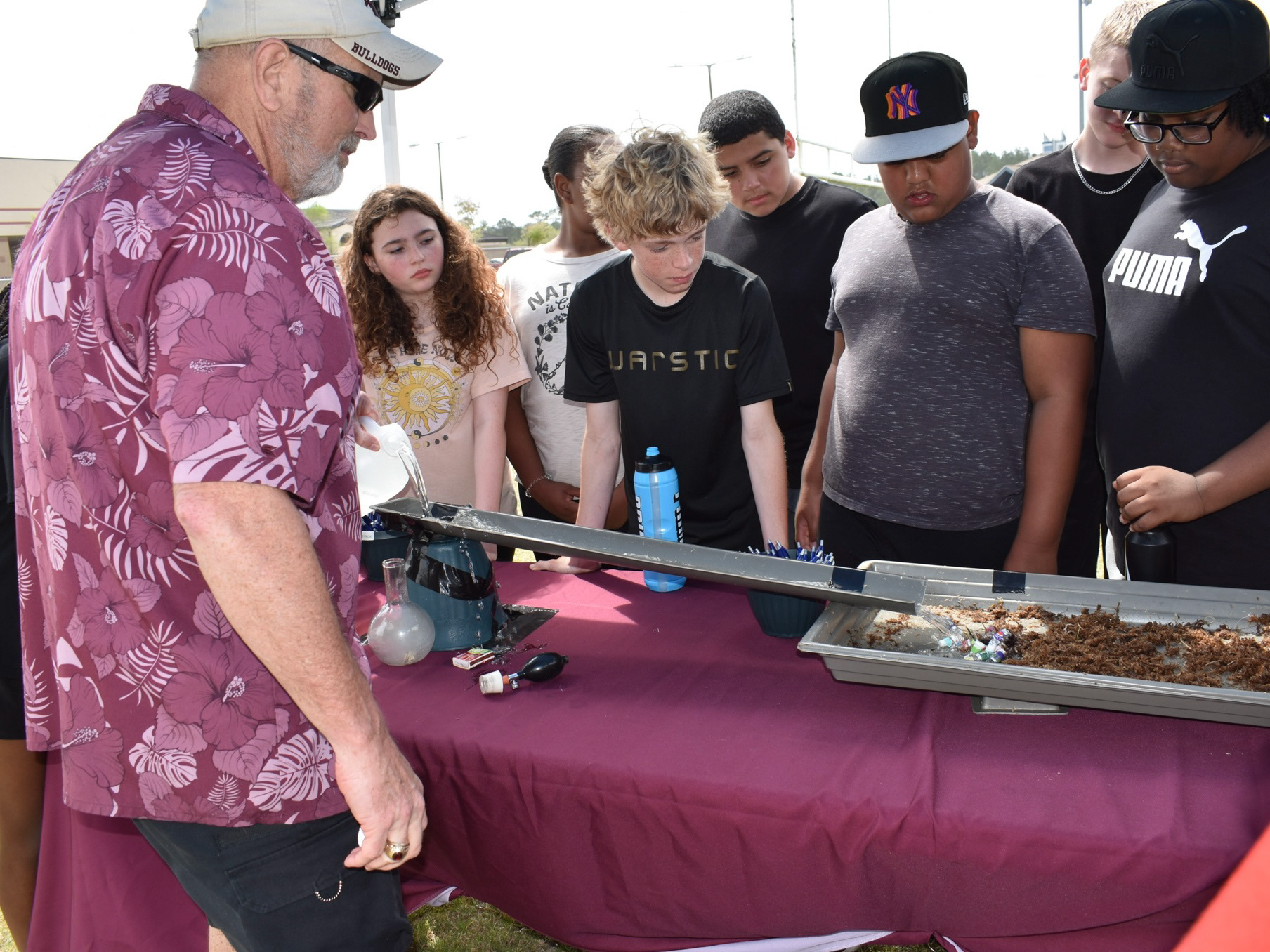
The “My Two Boots” Science Festival at Gautier High School is a hands-on environmental education event developed in partnership with regional science and conservation organizations. Rather than functioning as a traditional lecture-based science fair, it operates as an interactive STEM outreach experience focused on coastal, marine, and environmental science. Students engage directly with scientists, educators, and agency professionals through rotating activity stations, where they participate in water quality testing, marine organism identification, and the exploration of wetland and coastal ecosystem models. These experiences are grounded in the local Gulf Coast environment, emphasizing estuarine systems, fisheries, biodiversity, and the impacts of weather and human activity.
A defining strength of the “My Two Boots” festival is its integration of real-world career exposure. Participating organizations—including environmental agencies, nonprofits, and industry partners—provide students with direct insight into pathways in environmental science, oceanography, and engineering. Through these interactions, students not only reinforce applied scientific concepts but also develop spatial and systems thinking skills while gaining a deeper awareness of regional environmental challenges and stewardship responsibilities. In this way, the festival serves as a localized, field-based science expo that combines STEM education, environmental literacy, and workforce awareness within a school-centered setting .
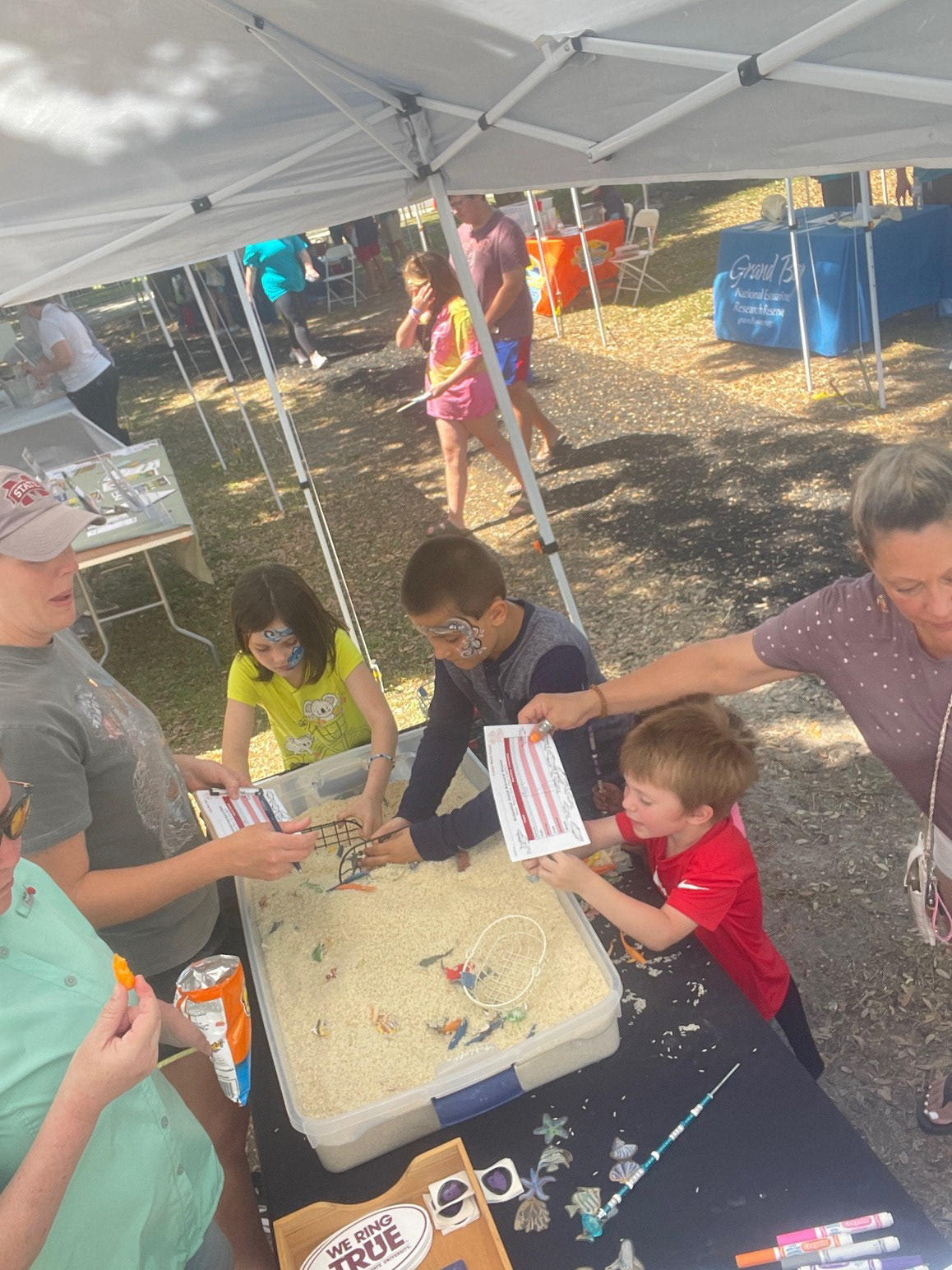
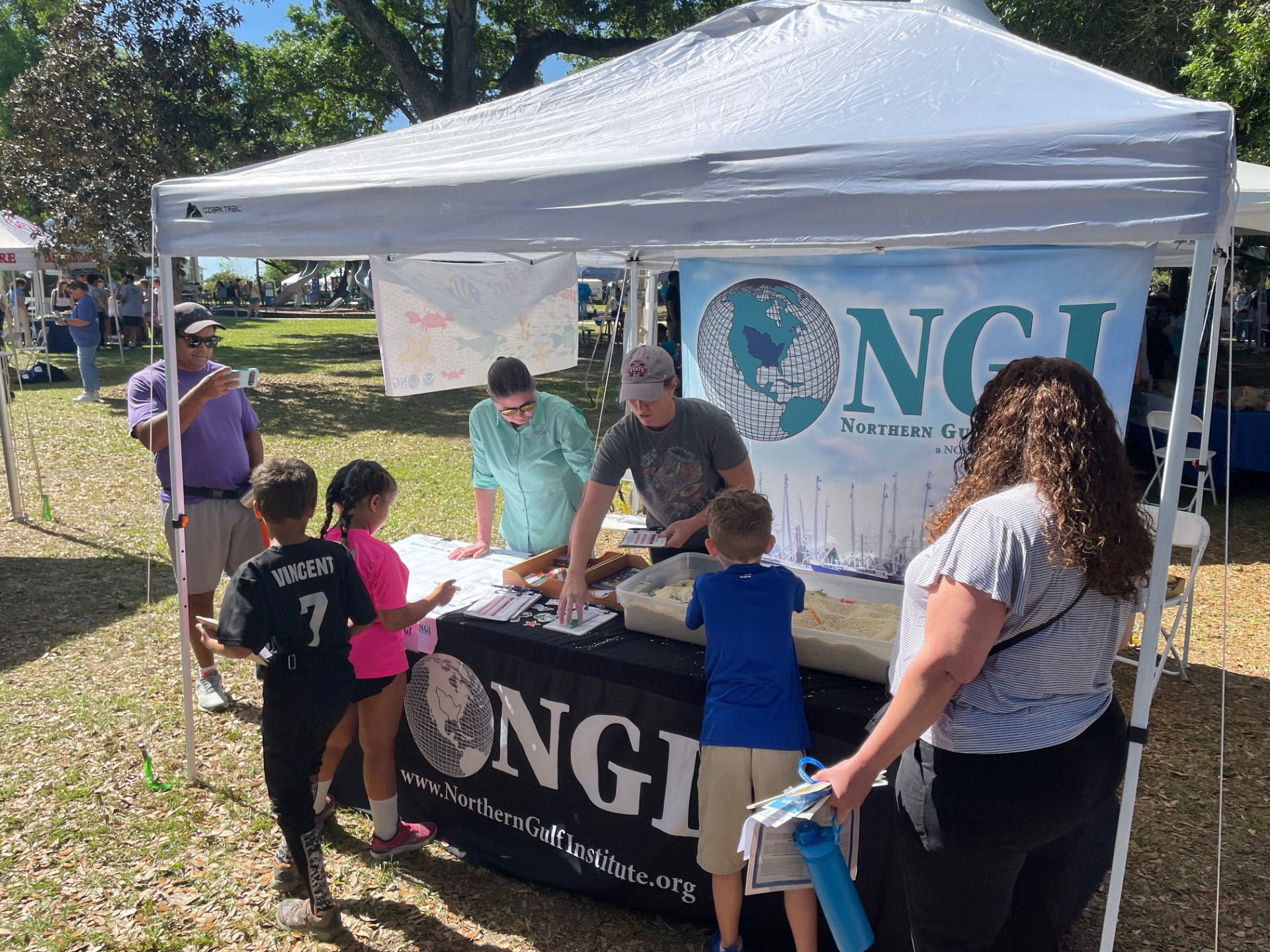
Complementing this model at a broader scale is the Celebrate the Gulf Marine Science Festival, held annually in War Memorial Park in Pass Christian. Established in 1991, this long-running event is a free, large-scale public festival designed to educate residents and visitors about the ecological and economic importance of the Gulf Coast. Like the “My Two Boots” festival, it is structured around interactive, multi-station engagement, but expands the scope to include more than thirty-five environmental and science exhibits addressing coastal habitats, water quality, conservation, and resource management.
The festival’s immersive nature is further enhanced by live demonstrations and direct interaction with Gulf wildlife, including animal presentations, raptor shows, and touch tank experiences. These components create strong sensory and experiential learning opportunities, particularly for younger audiences. A central feature of the event is the Student Science Showcase and Art Exhibition, where local students present research projects and environmental artwork, transforming the festival into both a learning environment and a platform for student-led scientific communication.
Celebrate the Gulf is intentionally designed as a community-wide event, bringing together environmental organizations, government agencies, industry representatives, and the public. This broad participation fosters environmental literacy and reinforces a shared sense of stewardship across the region. From an educational perspective, the festival effectively integrates place-based education, informal science learning, career exploration, and systems thinking by emphasizing the interconnected relationships between coastal ecosystems, economic systems, and human activity.
Together, these two festivals represent complementary models of coastal STEM outreach. The “My Two Boots” Science Festival provides a school-centered, highly targeted experiential learning environment, while Celebrate the Gulf operates as a regional, community-scale science engagement event. Both contribute meaningfully to advancing scientific literacy, promoting environmental stewardship, and strengthening the pipeline of students entering STEM fields connected to the Gulf Coast.